
Buying Guides
Backhoe Loader Digging Depth Explained: Standard Arms, Telescopic Options and Jobsite Checks
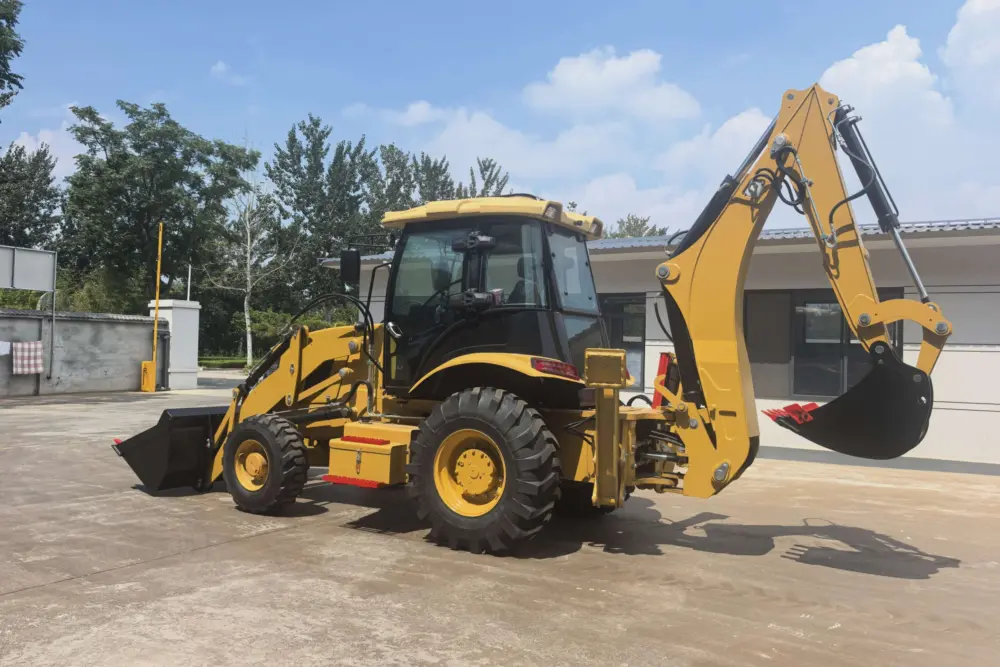
Digging depth is one of the most searched backhoe loader specifications, but it is also one of the easiest numbers to misunderstand. A brochure may show a maximum figure, an optional extended-arm figure or a rounded value without explaining which configuration produced it. Buyers then compare numbers that do not describe the same machine.
A sound comparison separates standard maximum digging depth from an optional telescopic-arm depth and from the depth that can be maintained comfortably across a real trench. This article explains the differences using the documented Ray Bridge RB420F, RB388 Standard and RB388 Luxury specifications.
What Does Maximum Digging Depth Mean?
Maximum digging depth is the deepest point the backhoe geometry is specified to reach under defined conditions. It is useful for screening machines, especially when a project has a known trench, drainage or foundation depth. It is not a guarantee that every bucket position, ground setup or trench profile will achieve the same depth.
The published Ray Bridge figures are:
- RB420F: 4,100 mm standard maximum digging depth
- RB388 Standard: 4,100 mm standard maximum digging depth
- RB388 Luxury: 3,820 ± 20 mm maximum digging depth
The tolerance shown for the RB388 Luxury is part of its supplied specification and should be retained rather than rounded into a different claim.
Standard Depth and Optional Depth Are Different Specifications
The RB420F record lists an optional telescopic-arm digging depth of 5,000 mm. The RB388 Standard lists an optional telescopic-arm digging depth of 5,300 mm. These deeper figures describe an option, not the standard arm.
If a project requires more than 4,100 mm, a buyer should not simply quote the optional depth back to the seller. The written order should identify the telescopic arm as part of the configuration and repeat the applicable depth. It should also confirm any related dimensional, transport or operating considerations.
Why specification labels matter
A table that drops the word “optional” can make two machines appear more capable than their base configuration. Good SEO content should not create that confusion. Search-friendly information is valuable only when a buyer can rely on the distinction during a quotation.
Maximum Depth Is Not the Same as Trench Design Depth
A project drawing may specify the bottom level of a trench, but machine selection needs more context. The ground surface may vary, the machine may have to stand back from an edge, and the bucket must work through an arc rather than move vertically. Soil must also be removed and placed somewhere without creating an unsafe obstruction.
Before selecting a backhoe loader by depth, record:
- Finished trench depth and width
- Existing ground levels along the trench
- Required bottom profile or slope
- Distance the machine must stand from the excavation
- Bucket width and tooth requirements
- Space for stabilisers and spoil placement
- Underground services and other site hazards
The specification sheet answers only part of this list. Site planning and safe operating requirements must answer the rest.
Backhoe Bucket Capacity Does Not Define Bucket Width
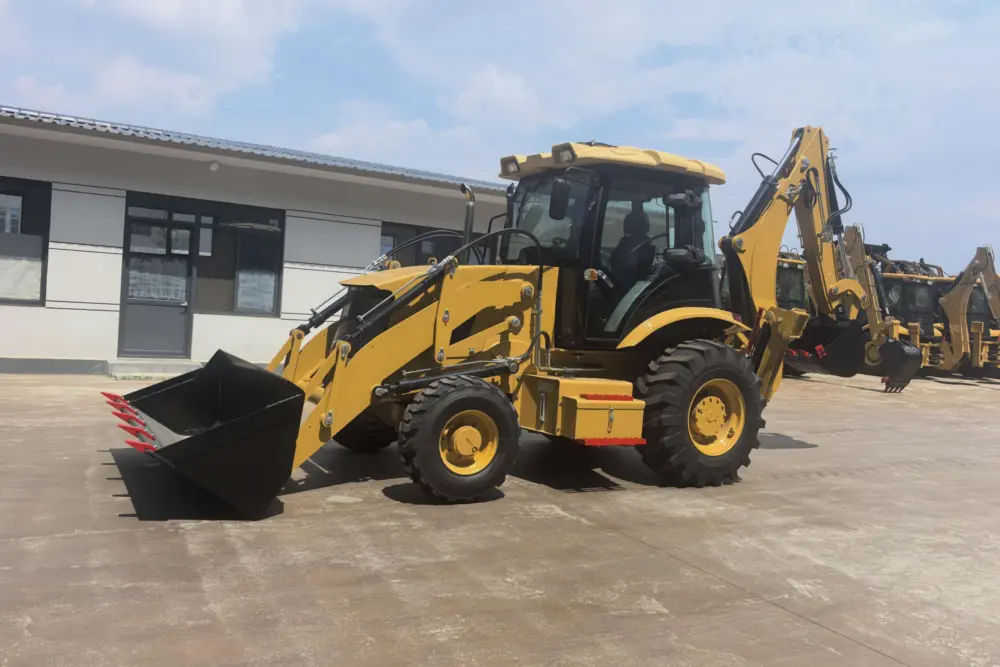
The RB420F, RB388 Standard and RB388 Luxury each list a 0.3 m³ backhoe bucket capacity. That common capacity does not mean every supplied bucket has the same width or profile. A narrow service trench and a broader drainage channel can require different buckets even when the machine’s arm geometry is unchanged.
Ask for the exact bucket width and attachment compatibility. If a different bucket is required, it should appear in the configuration list. Do not infer it from a photograph, because gallery images can show optional equipment or a different setup.
Digging Depth Must Be Considered with Reach and Working Space
A buyer may focus on the vertical number while ignoring where the machine can stand. Backhoe work requires room for the chassis, rear structure, stabilisers and boom movement. Confined sites may make overall width, length and cab height as important as digging depth.
The RB420F is listed at 7,600 × 2,360 × 2,890 mm. The RB388 Standard is 7,600 × 2,380 × 2,890 mm. The RB388 Luxury specification lists a 6,400 ± 80 mm total length, 2,450 ± 20 mm overall width and 3,250 ± 10 mm cab height. These figures provide a first access check; the complete working envelope must still be reviewed for the task.
Operating Weight Affects Planning
The RB420F lists 7,500 kg operating weight, the RB388 Standard 8,500 kg and the RB388 Luxury 9,300 kg. Weight does not tell you the digging depth, but it affects transport, ground conditions and where the machine can be positioned.
When excavation is close to a road edge, culvert, basement or filled ground, the contractor must assess whether the supporting surface and stand-off distance are suitable. Product content should never turn a published weight into a claim about safe bearing capacity on an unknown site.
How to Compare the Three Ray Bridge Models
RB420F
The RB420F combines a 4,100 mm standard maximum digging depth with an optional 5,000 mm telescopic-arm figure. Its backhoe bucket is listed at 0.3 m³. The machine’s 7,500 kg operating weight and 2,360 mm overall width may be useful comparison points where access and transport are constrained.
RB388 Standard
The RB388 Standard also lists a 4,100 mm standard maximum digging depth and a 0.3 m³ backhoe bucket. Its optional telescopic-arm figure is 5,300 mm, the deepest documented option among these three models. The engine and rated power must remain TBD until the conflicting supplier entries are resolved.
RB388 Luxury
The RB388 Luxury lists 3,820 ± 20 mm maximum digging depth and a 0.3 m³ backhoe bucket. Its other profile is different from the two 4,100 mm models: 9,300 kg operating weight, 85 kW rated power, 1.2 m³ loader bucket and 3,050 ± 50 mm dumping height.
These are comparison facts, not a ranking. A deeper optional arm may matter on one job, while loader geometry, access or a documented engine configuration may matter more on another.
A Practical Digging-Depth Selection Method
- Measure the required excavation. Use the deepest point, not an average.
- Add the operating context. Record stand-off distance, ground level changes and the intended bucket.
- Compare the standard arm first. Treat optional depth as unavailable until the option is written into the quote.
- Check site access. Compare overall machine dimensions, stabiliser space and transport limits.
- Confirm the exact configuration. Ask for the final specification, arm type and bucket details.
- Review safe operation. Follow the operating manual and site risk controls; a specification number is not a safe-work method.
Common Errors When Reading Digging Specifications
Comparing rounded figures from different sources
A reseller page may round millimetres into metres or copy an optional figure into a general summary. Use the controlled product record and keep tolerances where supplied.
Assuming deeper is always better
An unused capability can add cost or complexity without solving the actual task. Select against the maximum required excavation and complete work cycle.
Ignoring the loader end
Backhoe loaders are selected for both ends. The loader bucket, rated load and dumping height may determine whether the same machine can handle the material work around the trench.
Using images as technical evidence
A photo can show the arm type visually but does not prove a depth. Confirm the model, option and specification in writing.
What to Put in the Quotation
For depth-sensitive work, the quotation should identify the model, standard or telescopic arm, maximum digging depth, supplied bucket width and capacity, coupler if any, final operating dimensions and the relevant inspection evidence. If a field cannot be confirmed, write TBD rather than substituting a number from a similar machine.
See the individual RB420F, RB388 Standard and RB388 Luxury pages for the current documented tables.
Record the Decision, Not Just the Number
When depth controls the purchase, keep a short decision record beside the quotation. State the design excavation depth, the standard-arm figure, any optional-arm figure, the selected bucket and the reason the machine was accepted. This prevents an optional maximum from being copied later as a standard capability. It also gives the inspection team a clear list of visible and documentary checks before shipment.
Frequently Asked Questions
How deep can a standard backhoe loader dig?
There is no single depth for every backhoe loader. In the current Ray Bridge range, the RB420F and RB388 Standard list 4,100 mm standard maximum depth, while the RB388 Luxury lists 3,820 ± 20 mm.
What is an extendable or telescopic backhoe arm?
It is an optional arm arrangement intended to increase the documented reach or depth. Availability and the applicable figure must be confirmed for the specific model and order.
Is maximum digging depth the normal working depth?
Not necessarily. Maximum depth is a geometry specification. Ground level, machine position, trench profile, bucket movement and safe operating setup affect practical work.
Does a larger backhoe bucket dig deeper?
No. Bucket capacity and arm geometry describe different things. All three current Ray Bridge backhoe loaders list 0.3 m³ backhoe buckets but have different depth figures.
Which Ray Bridge model has the deepest optional arm figure?
The RB388 Standard lists a 5,300 mm optional telescopic-arm digging depth. This should not be described as its standard 4,100 mm depth.
What information should I send for a depth-based recommendation?
Send the trench depth and width, ground profile, stand-off limits, soil description, required bucket, access dimensions, destination and transport constraints. Final suitability and configuration should be confirmed in writing.